
Let’s be honest — sweat has a reputation problem. It wrecks makeup, stains shirts, and announces itself at the worst possible moments.
But before you write it off entirely, consider this: everything your body does has a reason for existing. So what exactly is sweating for?
Turns out, quite a lot. Sweating serves two vital purposes: it helps flush environmental chemicals from the body, and — critically — it regulates your temperature.
Which means that if you’re someone who doesn’t sweat much, your body may be silently struggling in ways you haven’t connected the dots on yet.
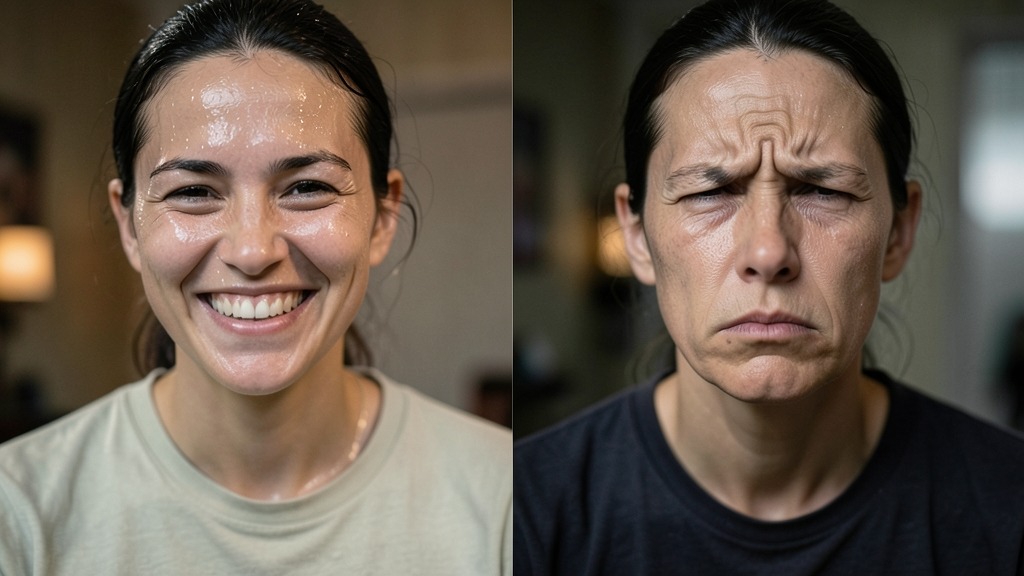
Low Sweat Dangers
We live in a world saturated with chemical compounds — in our food, our air, our furniture, our skincare.
The human body is a finely tuned mechanism, and foreign chemicals interfere with that machinery in ways both subtle and significant. Sweating is one of the routes through which your body negotiates with this chemical world, exporting what doesn’t belong.
Less sweating means fewer exits for those compounds. Over time, that’s not a trivial thing.
“Sweat is the HVAC system of the human body — invisible when it’s working, a crisis when it’s not.”
Here’s the physics: when sweat evaporates from your skin, it carries heat away with it. It’s elegant, efficient, and almost entirely automatic — unless it isn’t happening.
People who don’t sweat much have trouble regulating their body temperature, which means they overheat faster, tolerate hot environments poorly, and can find themselves in real danger during heat waves that others merely find uncomfortable.
They have difficulty cooling down.
Think of it this way: if sweating is your built-in air conditioning, low sweating is like running a house through a Texas summer with a broken AC unit and the windows nailed shut.
How to Manage Being a Low Sweat-er
People who sweat minimally should be especially mindful of two things: staying in cooler environments during hot weather, and being thoughtful about chemical exposure in daily life — cleaning products, synthetic materials, processed foods.
Both place demands on systems that may already be working at a disadvantage.
Low sweating isn’t always a permanent condition. In some cases, it traces back to a mineral deficiency. Specific nutrients play a role in activating sweat glands, and when those nutrients are depleted, the whole system underperforms.
An integrative physician who’s familiar with this territory can investigate the root cause and work to restore the missing piece — not just manage the symptom, but address why the thermostat got stuck in the first place.
Your sweat glands, it turns out, may just be waiting for the right support.
To Health!
If you have a question about this blog post or anything medical-related, please email me thru the button below.

To your health!
Dr. Richard Chen
Focused Wellness Author,
A New Way to Health: Wheel of Health
Buy the book on Amazon
