
At a recent autism conference in Costa Mesa, California, I sat in a room full of clinicians and parents and listened to Dr. Erica Peirson, NMD talk about sleep. By the end of her talk, I'll be honest — I wanted to call every family I've ever worked with.
Because here's the thing: sleep isn't just "rest." It's a biological miracle happening inside your child's head every single night. And when it goes wrong — as it does for 47 to 84% of autistic kids — everything else goes wrong with it.
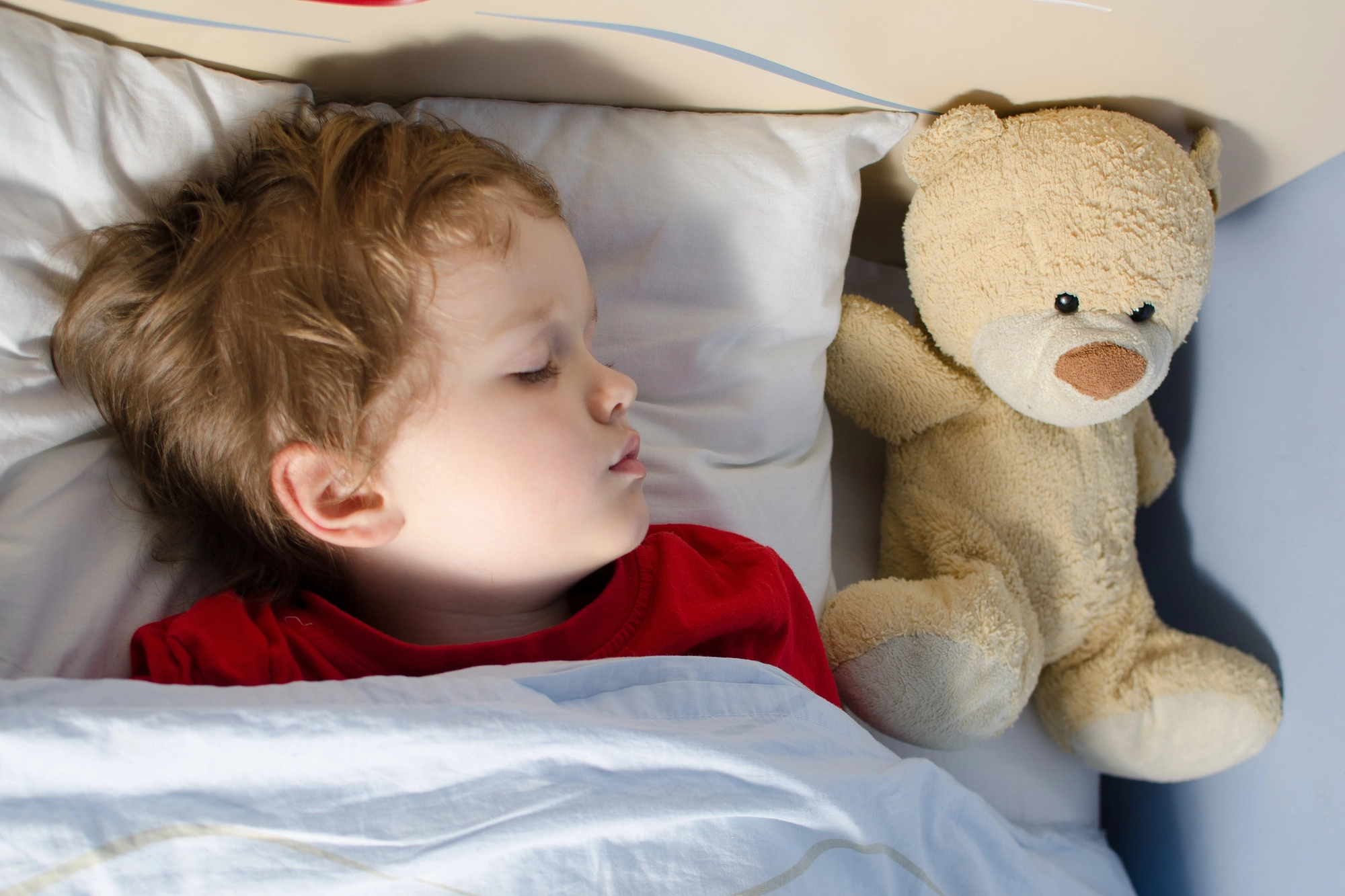
What's Actually Happening when Your Child's Sleeping
Picture your child's brain as a busy city. All day long, the traffic roars — thoughts, feelings, input, learning. Sleep is when the city finally goes quiet and the repair crews come out
- The brain repairs itself — healing and rebuilding neural connections used throughout the day
- It takes out the trash — the brain's lymphatic system flushes out metabolic waste (think of it as the overnight cleaning crew)It organizes memories — filing away what was learned and experienced during the day
- Mitochondria recharge — the tiny power plants inside every cell refuel for the next day
- The immune system gets stronger — fighting off illness and inflammation while your child dreams
Miss enough of those nights? The cleaning crew never shows up. The city stays broken.
"Sleep isn't a luxury — it's the most important form of medicine we have. And it's free."
What Happens when Your Child Doesn't Sleep Well
You already know that exhausted feeling — the short fuse, the fog, the afternoon wall. Now imagine your child living there every single day, without the words to explain why they're struggling.
- Daytime tiredness — dragging through the day when they should be learning and thriving
- Difficulty concentrating — a brain that can't focus is a brain that can't grow
- Mood issues and irritability — emotional regulation becomes nearly impossible without enough sleep
- Behavior challenges — what looks like a "behavior problem" is often a sleep problem in disguise
That last one hits hard, doesn't it? How many meltdowns, how many tough school days, how many heartbreaking moments might have roots in a night of poor sleep?
Improving Sleep Quality: Working With the Body
Here's the good news: Dr. Peirson focused her talk on lifestyle approaches — no prescriptions required to get started. These are the kinds of changes that work with how the body is designed to work, not against it. Enhancing sleep through lifestyle changes.
Work With the Body's Clock
Same Wake Time
Wake at the same time every day — even weekends. Get outside in the morning light. Sunlight tells the brain it's time to start the day, which means it knows when to wind down at night.
Dim the Lights
Dim lights 1–2 hours before bedtime. Bright light at night tricks the brain into thinking it's still afternoon. Think of it as setting the mood — for sleep.
Screens Off
Avoid electronic devices for at least 1–2 hours before bed. Screens emit blue light that suppresses melatonin — your body's natural sleep signal. Even "night mode" isn't a free pass.
Watch what goes on the Plate
- Increased vegetables and fruits were associated with better sleep in autistic kids — compared to diets high in sugar and low in produce. Your dinner plate might be your child's best sleep aid.
- Avoid large meals close to bedtime. Digestion requires energy. When the gut is busy working overtime, the brain can't fully rest.
Dealing With Nutritional Deficiencies
Sometimes the body is trying to sleep — it just doesn't have the raw materials to do it well. These three nutrients came up again and again in Dr. Peirson's talk:
🔩 Iron
Treating iron deficiency has been shown to improve restless sleep. Restless leg syndrome and nighttime tossing and turning can have iron at the root. Worth checking with your doctor.
☀️ Vitamin D
Vitamin D plays a role in sleep quality. Most of us — especially in the Pacific Northwest or anyone who works indoors — are quietly deficient. A simple blood test can tell you where your child stands.
✨ Magnesium
This is the one I recommend most often. Magnesium is associated with longer sleep duration and better sleep quality. The form matters: magnesium glycinate is gentle, well-absorbed, and specifically helpful for sleep — without the digestive side effects of other forms.
It's Not Just an Autism Issue
Here's what I keep coming back to after this conference: Dr. Peirson was speaking specifically about autistic kids. But gut health, breathing, airway, and the sleeping environment all affect sleep — in your child, in you, in all of us.
These kids are just showing us, in louder ways, what happens when the basics are missing. And the basics? They're the same for everyone.
Get the foundations right — light, food, nutrients, consistency — and you give the body a fighting chance to do what it was designed to do all along: heal itself overnight.
If your child — or you — is struggling with sleep, don't wait until it becomes a crisis. Start with the fundamentals above. And if you've tried the basics and sleep is still broken, come see us. There's more we can look at together.
Sleep is medicine. And you deserve a full prescription.
If you have a question about this blog post or anything medical-related, please email me thru the button below.

To your health!
Dr. Richard Chen
Focused Wellness Author,
A New Way to Health: Wheel of Health
Buy the book on Amazon
